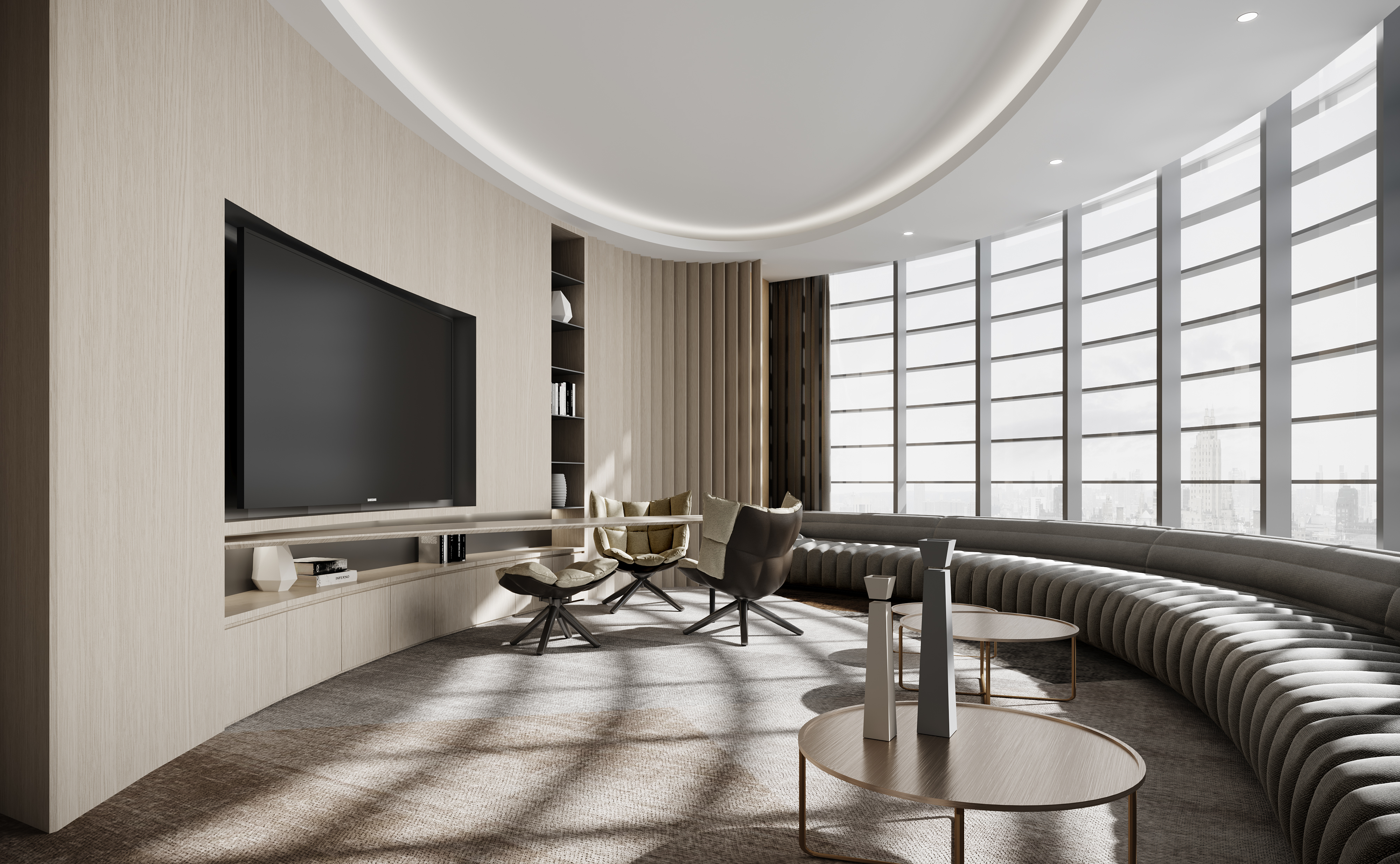
Interior Design Cambodia as a Hotel Interior Design Firm Creating Modern Luxe Hospitality Spaces for Boutique and Five-Star Hotels
Cambodia is experiencing a quiet yet powerful transformation in hospitality. From the cultural magnet of Siem Reap to the energetic urban growth of Phnom Penh and the rising beach destinations of Sihanoukville and Koh Rong, the country is becoming a compelling destination for both international travelers and regional investors.Interior Design Cambodia
In this evolving tourism landscape, Interior Design Cambodia plays a vital role in shaping how visitors experience the country. Hotels are no longer just places to sleep—they are destinations where architecture, culture, and hospitality converge to create unforgettable experiences.
As designers who focus on emotional, people-centric environments, our firm believes that great hotel interiors must balance beauty, comfort, and operational intelligence while reflecting the spirit of Cambodia itself.
Understanding Cambodia’s Hospitality Landscape
Cambodia’s tourism ecosystem has grown significantly over the past decade. International visitors arrive to explore iconic cultural landmarks like Angkor Wat, while business travelers are increasingly drawn to Phnom Penh’s expanding financial and commercial sectors.
Several key hospitality districts define the country’s hotel development trends:
Phnom Penh
The capital city is the center of business travel, government institutions, and international investment. Modern hotels and lifestyle boutique properties are emerging in areas like BKK1, Tonle Bassac, and along the Mekong riverfront.
Siem Reap
As the gateway to Angkor temples, Siem Reap attracts cultural tourism and luxury leisure travelers. Boutique heritage hotels and resort-style properties dominate the market here.
Sihanoukville & Coastal Resorts
Beach tourism and international resort developments are reshaping Cambodia’s southern coastline, creating opportunities for luxury hospitality concepts.
The tropical climate also shapes design strategies. Warm temperatures, humidity, and strong sunlight encourage interiors that feel airy, shaded, and connected to nature.
Travelers visiting Cambodia often seek authenticity. They want hotels that reflect Khmer craftsmanship, local materials, and cultural storytelling rather than generic global aesthetics.
The Rise of Modern Luxe Hospitality Design
Modern luxury hospitality is no longer defined by excessive ornamentation. Instead, it embraces Modern Luxe—a design philosophy that blends contemporary elegance with warmth and cultural authenticity.
Within Interior Design Cambodia, Modern Luxe hospitality spaces typically include:
-
Natural materials such as teak wood, stone, and handwoven textiles
-
Soft, layered lighting creating a calm and welcoming atmosphere
-
Neutral palettes accented with rich local textures
-
Spacious layouts that encourage relaxation and comfort
The goal is to create environments that feel refined yet effortless—spaces where guests experience what locals call “sabay sabay”, a Khmer phrase expressing ease and peaceful enjoyment.
Designing the Arrival Experience
The guest journey begins long before the room key is handed over.
In boutique and five-star hotels, the arrival experience sets the emotional tone for the entire stay. The lobby must communicate both brand identity and local character.
Successful hospitality interiors often feature:
-
Dramatic entrance sequences that reveal the lobby gradually
-
Signature architectural elements inspired by Khmer motifs
-
Water features or greenery reflecting Cambodia’s tropical landscape
A thoughtfully designed lobby becomes more than a reception space—it becomes a social heart where travelers gather, relax, and connect.
Guest Rooms that Balance Luxury and Comfort
Guest rooms are where hospitality design becomes deeply personal. Travelers want spaces that offer tranquility after long journeys or days exploring temples and markets.
A successful Interior Design Cambodia guest room strategy focuses on simplicity, comfort, and sensory calm.
Key elements include:
-
Soft natural materials such as linen, wood, and stone
-
Layered lighting that adapts from day to evening
-
Comfortable ergonomic furniture supporting rest and productivity
Windows and balconies often frame lush landscapes or city views, reinforcing the connection between interior comfort and Cambodia’s natural beauty.
Restaurants, Bars, and Social Spaces
Hospitality today is driven by experience. Restaurants and social spaces play a crucial role in defining a hotel’s personality.
As a designer specializing in restaurant environments, I see these spaces as storytelling platforms. They celebrate culture, cuisine, and human connection.
In Cambodian hotels, dining spaces might feature:
-
Open kitchens highlighting culinary craftsmanship
-
Decorative screens inspired by Khmer architecture
-
Lantern-style lighting creating a warm evening ambiance
These design gestures help transform a simple meal into a memorable cultural experience.
Guests often describe these environments as “ot chnganh nas!”—Khmer for “so delicious,” but often used to describe beautiful experiences as well.
Wellness Spaces and the New Hospitality Lifestyle
Global hospitality trends increasingly emphasize wellness, and Cambodia is embracing this shift.
Modern hotels integrate wellness experiences that allow guests to slow down and reconnect with themselves.
These may include:
-
Spa environments inspired by traditional Khmer healing rituals
-
Yoga terraces overlooking gardens or water features
-
Calm meditation spaces that provide moments of quiet reflection
These wellness elements not only enhance the guest experience but also strengthen a hotel’s identity as a destination for relaxation and rejuvenation.
The Importance of Lighting, Acoustics, and Materials
Behind every beautiful hospitality space lies careful technical planning.
Lighting must shift throughout the day—from bright, welcoming mornings to intimate evening atmospheres.
Acoustic comfort is essential in busy hospitality environments, ensuring restaurants and lounges remain lively without becoming overwhelming.
Durable materials are equally important. Hotels must maintain luxury aesthetics while withstanding constant use, humidity, and climate conditions.
Balancing these factors ensures that a hotel interior remains beautiful and functional for many years.
Designing for Operational Efficiency
While guests experience the elegance of hotel interiors, successful design must also support efficient operations.
Spatial planning ensures:
-
Smooth circulation between lobby, elevators, and guest rooms
-
Discreet service pathways for housekeeping and staff
-
Flexible event spaces that adapt to multiple functions
This balance between guest experience and operational practicality is what separates beautiful design from successful hospitality design.
From Concept to Completion
Delivering exceptional hospitality spaces requires both creativity and discipline.
Our firm supports hotel projects through every stage of development, including:
-
Concept design and storytelling strategy
-
Guest journey mapping and spatial planning
-
Visualization and mood boards
-
Material sourcing and custom furniture design
-
Coordination with architects and construction teams
-
Final styling and brand integration
This collaborative approach ensures that the final environment reflects both design vision and operational needs.
Creating Modern Luxe Hospitality Destinations in Cambodia
Hotels today must offer more than accommodation—they must create emotional experiences that guests remember long after their journey ends.
Thoughtful Interior Design Cambodia transforms properties into destinations where culture, comfort, and elegance meet. Through modern luxe aesthetics, cultural storytelling, and careful operational planning, hotels can stand out in an increasingly competitive tourism market.
At our firm, we approach hospitality design with respect for Cambodia’s heritage and excitement for its future. From boutique heritage hotels in Siem Reap to contemporary business hotels in Phnom Penh, our goal is always the same:
To create spaces where travelers feel welcomed, inspired, and truly connected to place.
Because when design reflects the soul of a destination, a hotel becomes more than a building—it becomes part of the journey.
Connect with us in