គម្រោងក្នុងតំបន់
រូបភាពរចនា
គម្រោងបានបញ្ចប់
លំហដែលមាន
អត្តសញ្ញាណយូរអង្វែង
ស្ថាបត្យកម្ម រចនាផ្ទៃក្នុង និងការប្រគល់គម្រោងសម្រាប់លំនៅឋាន ការិយាល័យ និងសណ្ឋាគារទូទាំងកម្ពុជា។
អារម្មណ៍នៃទីកន្លែង។
ការយកចិត្តទុកដាក់គ្រប់ជ្រុងជ្រោយ។
គម្រោងនីមួយៗចាប់ផ្តើមពីរបៀបដែលមនុស្សនឹងទទួលបទពិសោធន៍ក្នុងលំហ។ យើងភ្ជាប់ស្ថាបត្យកម្ម រចនាផ្ទៃក្នុង សំណង់ និងគ្រប់គ្រងគម្រោង ដើម្បីឱ្យអត្តសញ្ញាណទីកន្លែងស្របនឹងតម្រូវការអនុវត្ត។ សេវារបស់យើងនៅកម្ពុជាគ្របដណ្តប់ភ្នំពេញ សៀមរាប ព្រះសីហនុ កំពត/កែប និងបាត់ដំបង។
ស្វែងយល់អំពីការអនុវត្តរបស់យើងរចនាសម្រាប់កម្ពុជា។
បណ្តុំនៃលទ្ធភាពថ្មីៗ។
បណ្តុំគម្រោងសម្រាប់លំនៅឋាន សណ្ឋាគារ និងការិយាល័យនៅកម្ពុជា។ កាតនីមួយៗបង្ហាញបទពិសោធន៍ក្នុងតំបន់ ហើយព័ត៌មានលម្អិតរក្សាឈ្មោះគម្រោង ទីតាំង និងដំណាក់កាលដើម។
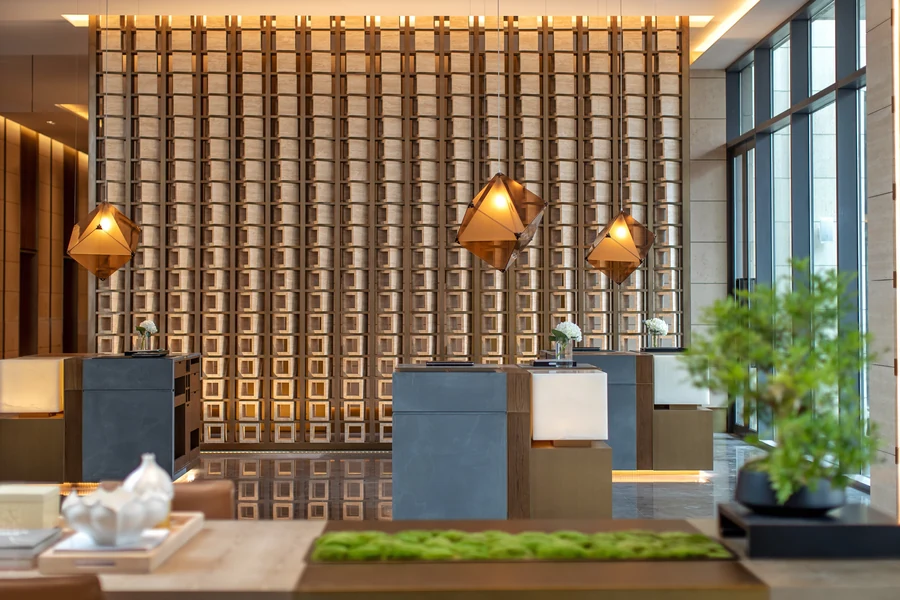
ការមកដល់ជាច្រើនស្រទាប់
កន្លែងទទួលភ្ញៀវសណ្ឋាគារដែលមានស្រទាប់សម្ភារៈដ៏ល្អិតល្អន់។
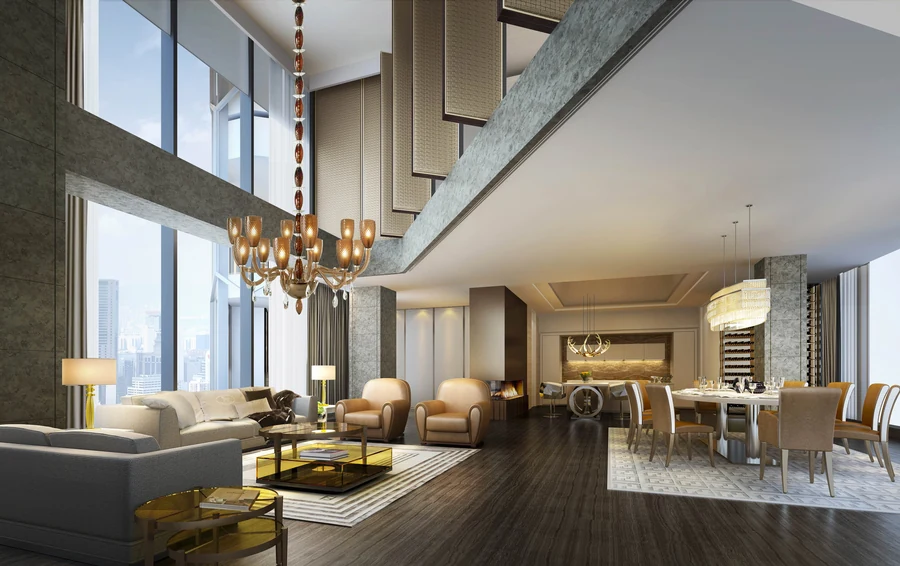
បទពិសោធន៍គម្រោងក្នុងតំបន់ · សៀមិន ប្រទេសចិនគម្រោងក្នុងតំបន់ការរស់នៅក្នុងលំហពីរជាន់
លំហរស់នៅពីរជាន់ដែលមានសមាមាត្រច្បាស់លាស់។
បទពិសោធន៍គម្រោងក្នុងតំបន់ · ប៉េកាំង ប្រទេសចិនរូបភាពរចនា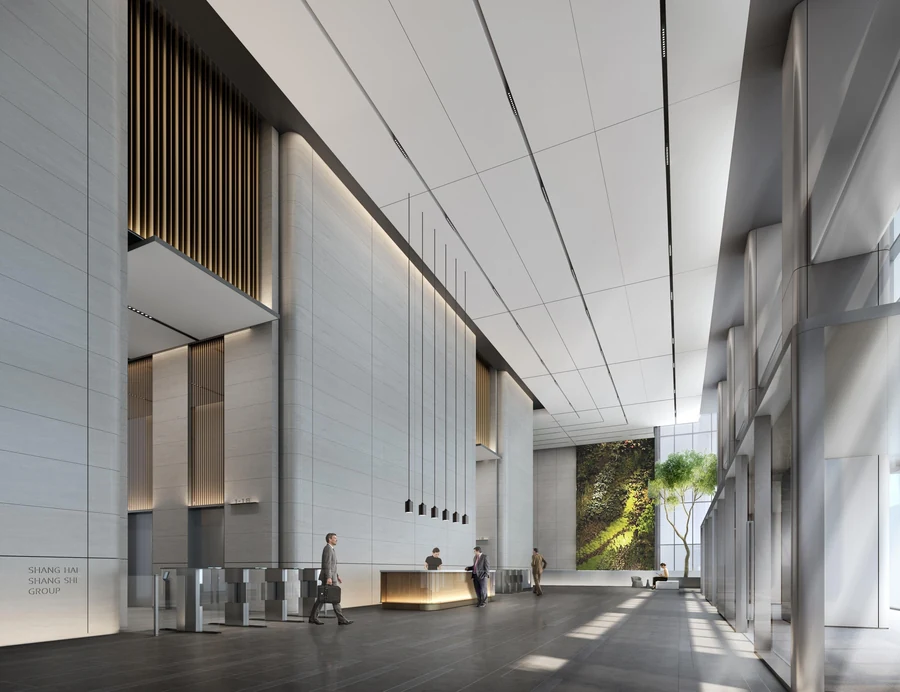
កន្លែងការងារដែលមានពន្លឺធម្មជាតិ
ច្រកចូលការិយាល័យដែលកំណត់ដោយកម្ពស់ ចង្វាក់ និងពន្លឺថ្ងៃ។
បទពិសោធន៍គម្រោងក្នុងតំបន់ · សៀងហៃ ប្រទេសចិនរូបភាពរចនាបដិសណ្ឋារកិច្ចមាត់បឹង
សណ្ឋាគារមាត់បឹងដែលប្រើសម្ភារៈកក់ក្តៅ និងសមាមាត្រធំទូលាយ។
បទពិសោធន៍គម្រោងក្នុងតំបន់ · យូណាន ប្រទេសចិនគម្រោងក្នុងតំបន់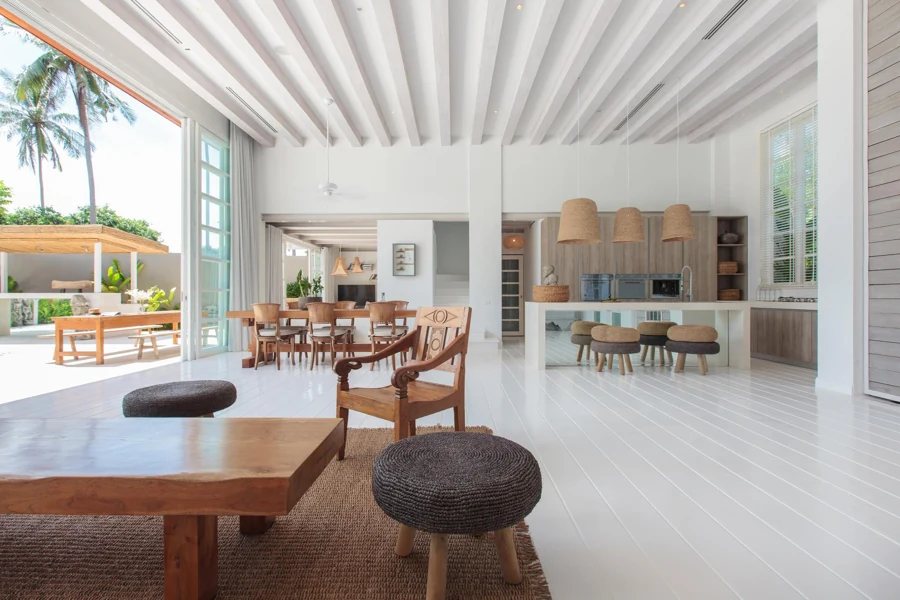
វីឡាដ៏ស្ងប់ស្ងាត់
ពិដានសកោង ផ្តល់កម្ពស់ដល់លំហរស់នៅ។
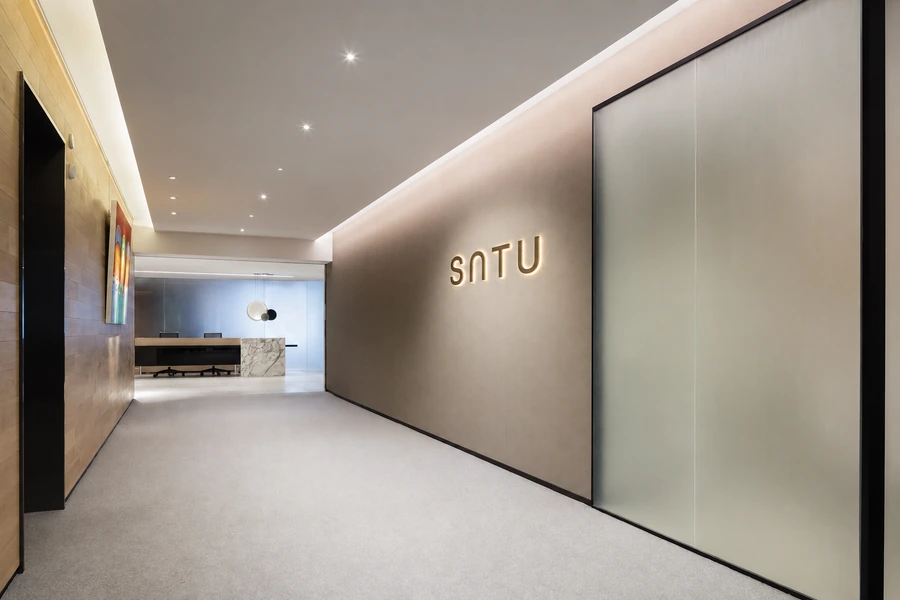
បទពិសោធន៍គម្រោងក្នុងតំបន់ · សូមសាកសួរអំពីទីតាំងគម្រោងក្នុងតំបន់ការិយាល័យកម្ពុជា៖ ការមកដល់ដ៏ស្ងប់ស្ងាត់
ច្រកទទួលភ្ញៀវស្ងប់ស្ងាត់ និងច្បាស់លាស់។
បានបញ្ចប់នៅកម្ពុជាគម្រោងបានបញ្ចប់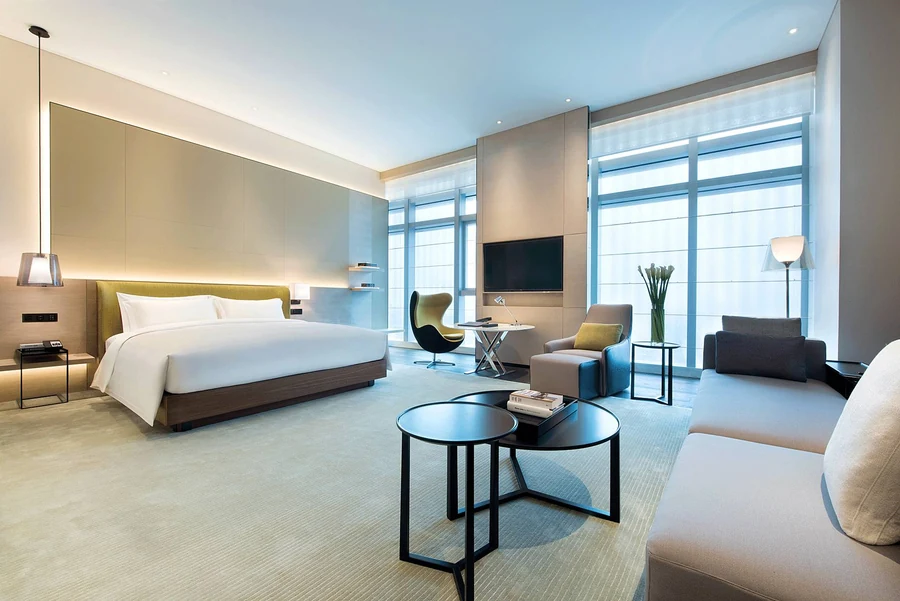
បន្ទប់ស្វីតដែលមានអត្តសញ្ញាណ
បន្ទប់សណ្ឋាគារដែលមានអត្តសញ្ញាណ និងសម្ភារៈមានតុល្យភាព។
បទពិសោធន៍គម្រោងក្នុងតំបន់ · ហ្វូសាន ប្រទេសចិនគម្រោងក្នុងតំបន់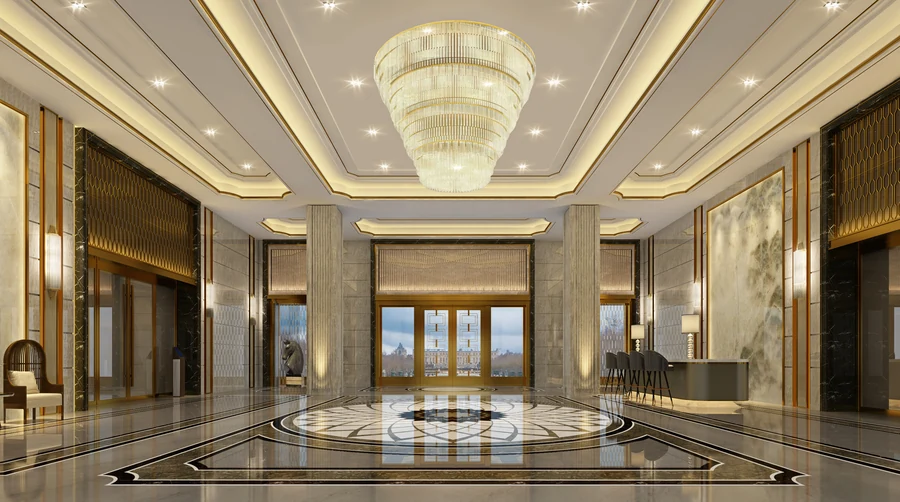
ក្លឹបលំនៅឋាន
លំហរួមលំនៅឋានដែលមានច្រកចូលផ្លូវការ និងកន្លែងជួបជុំកក់ក្តៅ។
បទពិសោធន៍គម្រោងក្នុងតំបន់ · សៀងហៃ ប្រទេសចិនរូបភាពរចនា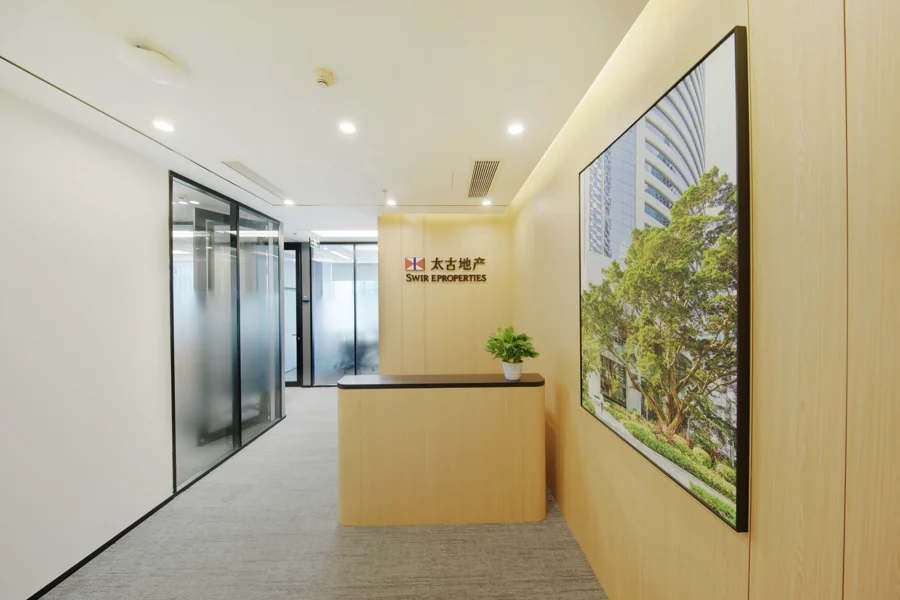
ការិយាល័យដែលមានការតភ្ជាប់
កញ្ចក់ភ្ជាប់លំហការងារប្រចាំថ្ងៃ។
បទពិសោធន៍គម្រោងក្នុងតំបន់ · សិនជិន ចិនគម្រោងក្នុងតំបន់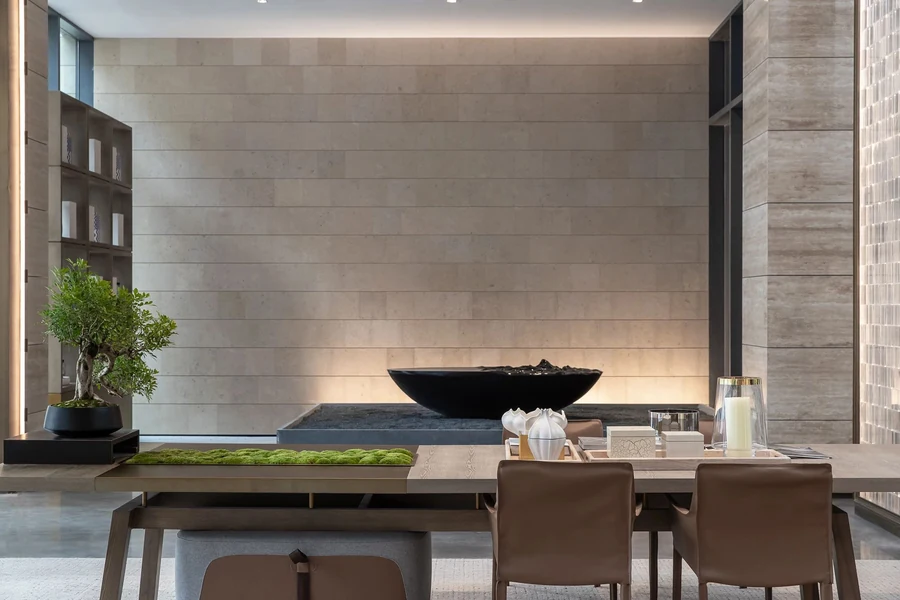
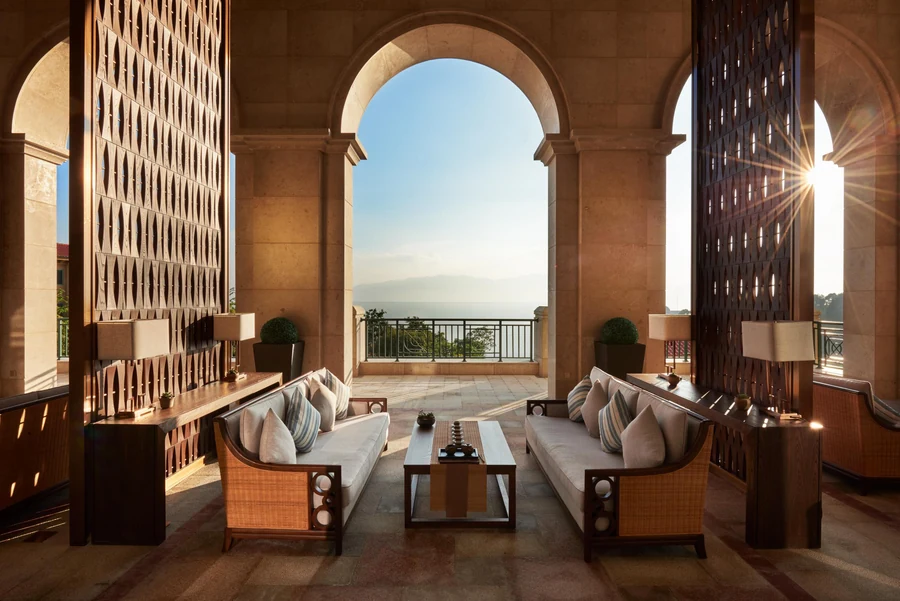
ការមកដល់ជាច្រើនស្រទាប់ · បទពិសោធន៍គម្រោងក្នុងតំបន់
សៀមិន ប្រទេសចិន
សម្ភារៈ និងពន្លឺ។
ភាពជឿជាក់ដ៏ស្ងប់ស្ងាត់។
លំហខាងក្នុងដែលមានគុណភាពត្រូវបានពិចារណាគ្រប់មាត្រដ្ឋាន៖ លំដាប់មកដល់ សមាមាត្របន្ទប់ និងរបៀបដែលសម្ភារៈជួបពន្លឺ។ យើងពិចារណាជម្រើសទាំងនេះជាមួយតម្រូវការគម្រោង ការសម្របសម្រួល និងការប្រគល់ការងារ ដើម្បីឱ្យទិសដៅរចនាច្បាស់លាស់ដឹកនាំគម្រោង។
សេវារចនា និងប្រគល់គម្រោងរបស់យើងតម្រូវការតាមទីតាំង។
សេវាទូទាំងប្រទេស។
ជ្រើសរើសទីតាំង រួចស្វែងយល់ពីសេវាសម្រាប់គម្រោងរបស់អ្នក។ នៅភ្នំពេញ យើងគ្របដណ្តប់ BKK1 ទន្លេបាសាក់ កោះពេជ្រ ទួលគោក និងសែនសុខ។
ភ្នំពេញ
សេវាសម្រាប់ការិយាល័យ ស្ថាបត្យកម្ម លំនៅឋាន ពាណិជ្ជកម្ម និងសណ្ឋាគារ នៅតំបន់អាទិភាពទាំងប្រាំក្នុងភ្នំពេញ។ ជ្រើសរើសសេវាតាមអគារ និងការប្រើប្រាស់របស់វា។
តើយើងចាប់ផ្តើមពីណា?
ជ្រើសរើសប្រភេទគម្រោង និងទីតាំង ដើម្បីស្វែងរកសេវាដែលសមស្រប និងរៀបចំការពិភាក្សាដំបូងឱ្យច្បាស់លាស់។
ការិយាល័យ / កន្លែងការងារ · ភ្នំពេញ
ស្វែងយល់ពីសេវានេះ ↗ចំណុចចាប់ផ្តើម
កាន់តែច្បាស់។
តើផ្តល់សេវានៅតំបន់ណាខ្លះក្នុងកម្ពុជា?
យើងគ្របដណ្តប់ភ្នំពេញ សៀមរាប ព្រះសីហនុ កំពត / កែប និងបាត់ដំបង។ សេវាកម្មត្រូវព្រមព្រៀងតាមអគារ និងវិសាលភាពគម្រោងនីមួយៗ។
តើគ្របដណ្តប់តំបន់ណាខ្លះក្នុងភ្នំពេញ?
តំបន់សេវាកម្មរួមមាន BKK1 / បឹងកេងកង ទន្លេបាសាក់ កោះពេជ្រ ទួលគោក និងសែនសុខ។
តើអាចភ្ជាប់ការរចនា និងសំណង់បានទេ?
បាន។ ស្ថាបត្យកម្ម ផ្ទៃខាងក្នុង សំណង់ និងការគ្រប់គ្រងគម្រោង អាចភ្ជាប់គ្នាក្នុងវិសាលភាពដែលបានព្រមព្រៀង។ កំណត់ការទទួលខុសត្រូវ និងលទ្ធផល មុនចាប់ផ្តើម។
តើអ្វីខ្លះកំណត់ថវិកាគម្រោង?
ទំហំ លក្ខខណ្ឌបច្ចុប្បន្ន ប្រព័ន្ធ សម្ភារៈ គ្រឿងសង្ហារឹម ការងារតាមតម្រូវការ និងកម្រិតបញ្ចប់ ប៉ះពាល់ដល់ថវិកា។ ប្រៀបធៀបតម្លៃតាមវិសាលភាពដូចគ្នា។
តើអាចធ្វើការលើអគារដែលមានស្រាប់បានទេ?
ចាប់ផ្តើមពីប្លង់ រូបភាព និងធាតុដែលត្រូវរក្សា។ កំណត់ការវាស់វែង ឬព័ត៌មានជំនាញបន្ថែម មុនអភិវឌ្ឍការកែលម្អ។
តើកាលវិភាគគម្រោងត្រូវកំណត់យ៉ាងដូចម្តេច?
កាលវិភាគផ្អែកលើវិសាលភាព ការវាស់វែង ការអនុម័ត ការសម្រេចចិត្ត ការទិញ និងលក្ខខណ្ឌការដ្ឋាន។ ព្រមព្រៀងដំណាក់កាល និងការទទួលខុសត្រូវជាមួយក្រុមគម្រោង។
តើត្រូវរៀបចំអ្វីសម្រាប់ការពិភាក្សាដំបូង?
ចែករំលែកទីតាំង ប្រភេទអគារ ទំហំប្រហែល ប្លង់ ឬរូបភាព អាទិភាព និងពេលវេលាគោលដៅ។ ពន្យល់លក្ខខណ្ឌប្រើប្រាស់ និងការចូលដំណើរការ។
តើយើងអាចជួបគ្នានៅទីណាក្នុងកម្ពុជា?
សូមណាត់ជួបពិភាក្សាគម្រោងនៅ Canadia Bank Tower ជាន់ទី១៨ លេខ៣១៥ ផ្លូវ Ang Doung កម្ពុជា 12202។ សូមទាក់ទងក្រុមមុនមកជួប។
កំណត់ជំហានបន្ទាប់
ជាមួយគ្នា។
ចែករំលែកព័ត៌មានអគារ ប្រភេទគម្រោង អាទិភាព និងពេលវេលាគោលដៅ។ តម្រូវការច្បាស់ធ្វើឱ្យការពិភាក្សាដំបូងមានប្រយោជន៍។